Choosing a Profile Line for Cable Trunking, Door Frames, or Decking requires more than selecting an extruder with a suitable nameplate capacity. I evaluate the material formulation, profile dimensions, die design, calibration method, haul-off control, cutting accuracy, surface finish, and expected production schedule together. The correct configuration must produce stable dimensions while keeping tooling, energy, labor, maintenance, and changeover costs within the planned operating budget.
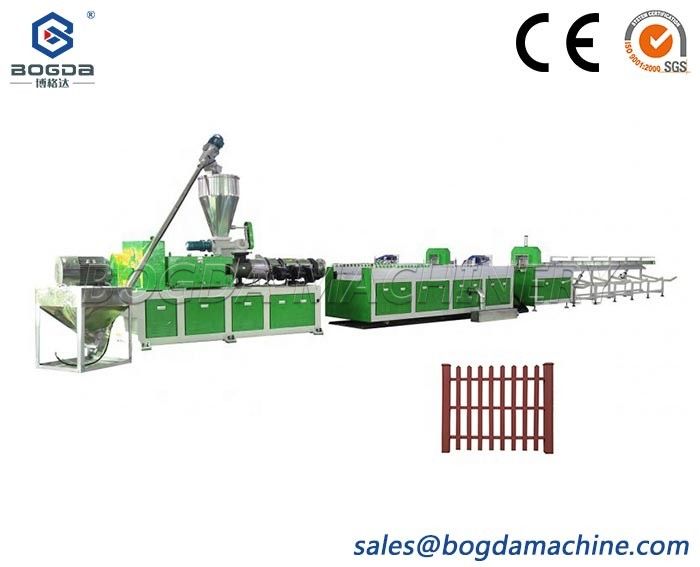
A complete Plastic Profiles Production Line normally includes material preparation, an extruder, die, calibration table, cooling system, haul-off, cutting unit, and stacking or winding equipment. The same basic sequence can serve cable trunking, door frames, window profiles, decking edges, and decorative profiles, but the screw design, die structure, calibration tooling, cooling capacity, and downstream handling must match the product family.
!
A profile line is an extrusion system that converts thermoplastic material into a continuous shaped section. Pellets, powder, or a prepared compound enter the extruder, where heat and mechanical shear create a uniform melt before it passes through a shaped die. The profile is then calibrated, cooled, pulled, cut, and stacked or wound according to its geometry and final use.
I distinguish a profile line from a simple trim or molding product. Trim and molding describe the finished shape or application, while a profile line describes the machinery and production process used to manufacture continuous sections. A profile can function as an edge trim, cable trunking cover, door frame molding, window component, decking finishing trim, or decorative architectural section.
| Profile application | Typical material | Extruder configuration | Tooling and downstream equipment | Best-use scenario |
|---|---|---|---|---|
| Cable trunking | Rigid PVC or modified PVC | Conical twin-screw or parallel twin-screw extruder | Multi-cavity die, vacuum calibration, haul-off, fixed-length cutter | Electrical and interior cable management |
| Door frames | Rigid PVC, ASA-coated PVC, or other engineered thermoplastics | Twin-screw extruder with stable temperature control | Corner-focused die, long calibration table, controlled haul-off | Residential and commercial door surrounds |
| Window profiles | Rigid PVC or co-extruded PVC | High-stability twin-screw system | Multi-chamber die, intensive cooling, precision calibration | Window sash, frame, and reinforcement sections |
| Decking profiles | WPC, PVC, or PE-based compound | Conical twin-screw or parallel twin-screw system | Larger die, cooling calibration, saw cutter, stacking table | Outdoor decking boards and edge profiles |
| Decorative profiles | PVC, ABS, PS, or co-extruded materials | Single-screw or twin-screw system based on formulation | Surface-focused die, calibration, cutter, or winder | Interior finishing and architectural decoration |
This comparison is a starting point rather than a final machine specification. The actual line must be sized from the profile cross-section, weight per meter, material density, target speed, production hours, and expected utilization. I ask suppliers to confirm these values through a production test using the buyer’s actual formulation and tooling design.
I use a sequential selection process because an extrusion line can appear suitable on paper while failing to meet dimensional, surface, or output requirements during continuous production. The five most important decisions are product definition, material formulation, capacity planning, downstream design, and supplier verification.
Start with a drawing that identifies total width, height, wall thickness, cavity size, corner radius, locking features, holes, lips, and visible surfaces. For cable trunking, I also specify the base-and-cover relationship, hinge or snap-fit geometry, cable capacity, and access requirements. For door frames and window profiles, the drawing should identify reinforcement spaces, sealing grooves, screw channels, and the faces that remain visible after installation.
Decking profiles require additional information about board width, hollow or solid construction, surface embossing, edge radius, drainage channels, and the connection system. I recommend separating dimensions into three groups: functional dimensions, appearance dimensions, and non-critical dimensions. This helps the supplier define realistic tolerances instead of applying one tolerance value to every feature.
Rigid PVC cable trunking and door frame profiles commonly require controlled plasticization, stable melt temperature, and effective removal of entrained air. A conical twin-screw extruder is often selected for PVC profile production because it supports compound processing and provides strong feeding and mixing control. The final choice still depends on formulation, calcium carbonate loading, stabilizer package, profile weight, and required output.
WPC decking uses a different processing window because wood fiber or other fillers affect moisture content, melt flow, bulk density, and thermal stability. The material may require drying, controlled feeding, specialized screw elements, and a die designed for higher filler loading. I do not treat a PVC profile extrusion machine and a WPC profile extrusion machine as interchangeable without a formulation and processing trial.
The basic capacity calculation is:
Required hourly output = profile weight per meter × line speed × 60 ÷ utilization rate.
For example, a profile weighing 0.85 kilograms per meter, running at 3 meters per minute, produces 153 kilograms per hour at theoretical speed. If planned utilization is 75%, the machine should be evaluated against approximately 204 kilograms per hour of rated capacity rather than the theoretical 153 kilograms per hour. This allowance covers startup waste, cleaning, tooling changes, minor stoppages, and quality inspections.
A second example shows why operating hours matter. If a plant needs 420 tonnes annually, operates 16 hours per day for 280 days, and plans 70% utilization, the required average output is approximately 134 kilograms per hour. I would then compare this requirement with the supplier’s guaranteed output for the actual profile, not with the maximum motor rating.
Calibration controls the final dimensions after the melt exits the die. Cable trunking often benefits from vacuum calibration that holds straight walls, snap-fit features, and cover alignment. Door frames and window profiles may need longer calibration sections because their chambers and sealing grooves must remain stable while the material cools.
Decking profiles generally need greater cooling capacity because of their larger cross-section and higher thermal mass. A haul-off with suitable belt or caterpillar pressure prevents surface marks and profile deformation, while the cutter must accommodate the profile width, length tolerance, and cut-face requirements. Stacking equipment should support the profile without bending, especially when the product leaves the cutter while still warm.
The die is one of the most important cost and quality variables in a profile line. A low-cost die may reduce the initial quotation but create higher adjustment time, uneven wall thickness, excessive scrap, or poor surface distribution. I request die drawings, material recommendations, adjustment-point details, spare insert pricing, and the expected setup method before approving a purchase.
For a multi-profile plant, I prefer a standardized interface for dies, calibration tables, haul-off settings, and recipe storage. The line should allow operators to record screw speed, melt temperature, vacuum level, cooling-water temperature, haul-off speed, and cutter timing for each profile family. This approach reduces repeated trial-and-error during changeovers, but it does not eliminate the need for separate dies and calibration tooling.
A profile line for cable trunking must prioritize dimensional accuracy, clean internal surfaces, reliable cover engagement, and consistent cut lengths. I begin by defining the trunking width, height, wall thickness, number of compartments, cover design, and whether the product includes adhesive backing, pre-punched holes, or separate accessories. These details determine die complexity, calibration layout, and downstream handling.
Rigid PVC is common for indoor trunking because it can provide electrical insulation, surface stability, and a controlled appearance when the formulation is properly balanced. The supplier should identify the recommended compound, processing temperature range, screw design, venting method, and expected output for the requested wall thickness. I also ask for dimensional inspection records covering the base width, cover width, locking feature, and straightness over a defined length.
A cable trunking line usually benefits from a precision die, vacuum calibration, controlled cooling, a stable haul-off, and a fixed-length cutter. If the line will produce several widths, the quotation should list each die and calibration set separately. Tooling storage, changeover time, cleaning requirements, and the number of operators required per shift should also be stated.
Door frame protective trim must combine edge protection with stable appearance. I assess impact resistance, corner geometry, screw or adhesive fixing areas, surface gloss, color consistency, and the ability to maintain a straight profile during transport and installation. Commercial door frames often require longer sections, stronger handling support, and tighter control of visible surfaces than small interior decorative trims.
PVC can be suitable for many door frame and window profile applications, while ASA-coated or other weatherable layers may be considered when the profile is exposed to sunlight or demanding outdoor conditions. The choice depends on the required color retention, impact performance, temperature range, and cost target. A supplier should not specify the material only by trade name; the quotation should state the resin type, filler content, additives, and co-extrusion structure where applicable.
For these profiles, calibration length and cooling capacity have a direct effect on dimensional stability. I would verify the reinforcement cavity, gasket groove, frame connection, and corner radius using a first-article inspection. The testing plan should include profile dimensions, straightness, surface defects, color difference, impact behavior, and fit with the mating component.
A decking edge profile faces moisture, temperature changes, abrasion, and repeated contact with footwear or maintenance equipment. I therefore evaluate the compound, filler moisture, UV package, drainage design, fastening method, and surface temperature behavior before selecting the line. A decking edge profile may use PVC, WPC, PE-based, or another outdoor formulation, and each material places different demands on feeding, melting, cooling, and cutting.
The die must distribute material evenly across the width, particularly when the product has hollow chambers, a textured surface, or an integrated fastening groove. Calibration should support the board without causing visible marks on the finished surface. The haul-off must maintain constant speed while avoiding compression that can distort hollow sections or embossed areas.
Outdoor profiles also require a practical installation method. Mechanical fixing may be preferred where thermal movement or moisture is significant, while adhesive installation can be suitable for selected interior or protected applications. I include drainage, expansion allowance, screw access, and replacement procedures in the product design rather than treating installation as a separate issue.
One flexible line can produce several profile families, but only when the material systems, profile sizes, die packages, and process windows are compatible. A line designed for small rigid PVC trunking may not provide sufficient output, die opening, cooling length, or handling capacity for large WPC decking boards. Conversely, an oversized decking line may increase energy consumption and reduce control when producing lightweight decorative profiles.
I recommend grouping products into compatible production families. One group may include small and medium rigid PVC profiles, while another may include larger WPC or filled profiles requiring separate feeding and cooling conditions. Before purchase, I request a changeover study showing tooling replacement time, cleaning procedure, recipe adjustment, expected startup waste, and the dimensional checks required after each change.
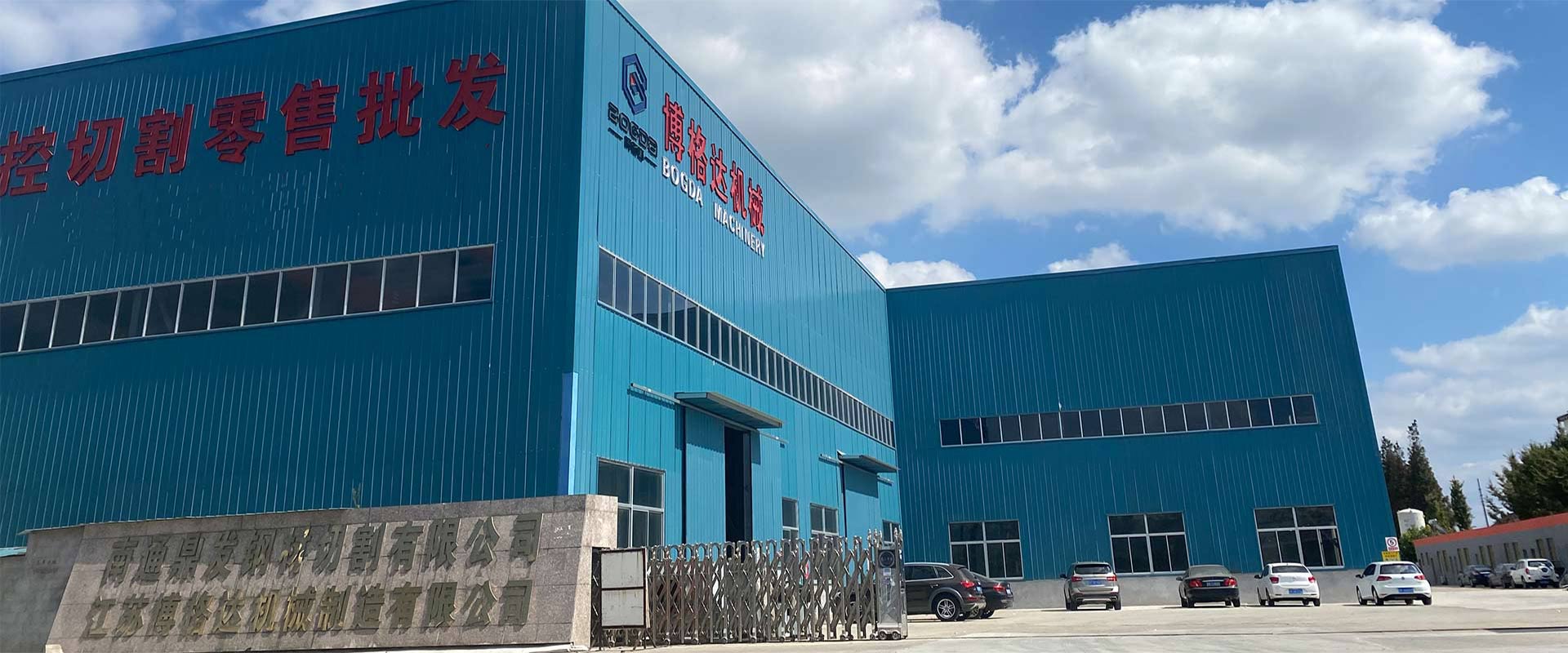
When comparing BOGDA or another extrusion-line supplier, I ask for a quotation that separates guaranteed specifications from optional equipment. BOGDA presents itself as a plastic extrusion and recycling machinery manufacturer with profile, sheet, board, pipe, pelletizing, auxiliary, mold, and recycling equipment. Its published company information states that it produces more than 600 extrusion lines annually, exports to more than 110 countries and regions, has more than 150 employees, and offers an 18-month machine warranty.
Those company details are useful for initial supplier screening, but I still require project-specific commitments. The quotation should include the following items:
I also ask whether electrical components, temperature controllers, drives, sensors, and control-system brands are specified. BOGDA states that it uses brands such as Siemens, Schneider, Omron, and Delixi for selected components, but the exact brands and quantities should appear in the project quotation rather than remain a general statement.
The purchase price is only one part of the cost of a profile line. I compare die and calibration costs, energy consumption per kilogram, operator count, changeover labor, maintenance intervals, cutter-blade consumption, cooling-water requirements, expected scrap, and output at the planned utilization rate. A line with a lower purchase price may have a higher total cost if it needs frequent adjustment or produces excessive startup waste.
For a practical comparison, I calculate annual cost using the following structure: material loss cost plus electricity cost plus labor cost plus maintenance cost plus tooling amortization. If a line produces 400 tonnes annually and reduces scrap from 8% to 4%, the saved material equals 16 tonnes before considering any additional energy or labor effects. The saving must then be compared with the equipment investment and the expected service life.
I also evaluate whether the line can maintain production during maintenance. Accessible heaters, replaceable wear parts, clear lubrication points, stored recipes, and spare critical sensors can reduce downtime. These features should be documented as equipment specifications or service procedures, not described only with general performance language.
Choosing a Profile Line for Cable Trunking, Door Frames, or Decking depends on matching material, dimensions, tooling, finish, durability, output, and installation method with the intended product family. I would define every profile drawing first, calculate required output from weight per meter and utilization, then select the extruder and downstream equipment around the actual process conditions. Cable trunking generally emphasizes precision and cover fit, door frames require dimensional stability and impact protection, while decking demands moisture resistance, cooling capacity, and safe outdoor installation.
A complete Plastic Profiles Production Line should include the extruder, die, calibration, cooling, haul-off, cutting, and stacking equipment required for the finished profile. When comparing BOGDA with other suppliers, I would request a product-specific trial, written output and tolerance guarantees, a complete tooling list, lifecycle-cost data, and clear warranty and service terms. These steps provide a measurable basis for selecting a line that can meet current demand while allowing controlled expansion into compatible profile families.
 Previous: None


Copyright © Bogda Machinery Group All Rights Reserved | Sitemap