Extrusion equipment quotations should be compared using normalized landed cost and total cost of ownership, not machine price alone. I recommend adjusting each quote for line scope, tooling, installation, utilities, energy, maintenance, downtime, material yield, and supplier support before selecting a supplier. This method prevents an apparently inexpensive machine from becoming the more expensive investment after commissioning.
When I review an extrusion machinery quotation, I first separate the quoted equipment from the production system it must support. Capacity, machine type, screw configuration, tooling, automation, materials, downstream equipment, and service obligations can change the real investment by a substantial amount. A quotation comparison is therefore both a technical review and a financial decision model.
!
I begin with the technical fit because a low-cost machine that cannot achieve the required product specification has no economic advantage. The review should cover capacity, output stability, product width or diameter, thickness range, material formulation, screw design, temperature control, die performance, automation, and downstream handling. For example, published BOGDA sheet-line examples include output ranges from 200 to 1,000 kg/h depending on material, model, width, and thickness, which shows why capacity cannot be compared without operating assumptions.
The second review layer is commercial normalization. Freight, insurance, import duties, electrical installation, cooling water, compressed air, factory modifications, commissioning, operator training, spare parts, and production trials may be included in one quotation and excluded from another. I also compare warranty duration, response time, remote support, engineer availability, and the availability of replacement components.
The final layer is lifecycle economics. A quotation should be tested against electricity consumption, labor requirements, routine maintenance, tooling replacement, scrap, changeover time, unplanned downtime, and expected resale value. This approach turns an extrusion equipment pricing comparison into an investment analysis rather than a simple purchasing exercise.
The first task is to create a common scope sheet and require every supplier to respond to the same line description. I use the following categories to identify missing equipment and hidden costs:
| Quotation category | Items to verify | Why it affects the decision |
|---|---|---|
| Core extrusion system | Extruder type, screw diameter, motor, gearbox, barrel, heating, cooling, vacuum or venting | Determines material compatibility, output, and operating range |
| Tooling | Die, adapter, screen changer, calibration, molds, spare inserts | Influences product quality, changeover time, and future product flexibility |
| Downstream equipment | Cooling, haul-off, cutting, winding, stacking, printing, laminating, recycling | Determines whether the quoted line can deliver finished products |
| Automation and controls | PLC, HMI, drives, sensors, recipe management, data recording | Affects labor, repeatability, troubleshooting, and integration |
| Utilities and site work | Electrical load, cooling water, compressed air, ventilation, floor reinforcement | Converts the machine price into a usable installed system |
| Logistics and installation | Packing, freight, insurance, customs, unloading, assembly, commissioning | Determines landed cost and start-up timing |
| Support and protection | Warranty, training, spare parts, service response, acceptance testing | Reduces operational and contractual risk |
I also ask suppliers to state whether output is measured at maximum speed, during continuous production, or under a defined product specification. A line rated at 550 kg/h may not deliver that rate when producing a narrow tolerance sheet, a thick board, a recycled formulation, or a multilayer structure. The quotation should identify the test material, product dimensions, moisture condition, operating speed, and acceptable scrap percentage.
Machine type is one of the largest cost drivers because single-screw, twin-screw, conical twin-screw, co-extrusion, recycling, and specialized film or sheet systems have different mechanical and control requirements. Material behavior also matters. PVC, PET, PP, PS, PE, PC, ABS, WPC, and recycled compounds may require different screw geometries, drying systems, degassing, temperature zones, die designs, and cooling capacities.
Product configuration affects both the initial price and future operating cost. A wider sheet line may require a larger die, stronger frame, higher cooling capacity, and more powerful haul-off equipment. A multilayer line may require additional extruders, feedblocks, dosing systems, tie-layer handling, and more complex process control. Automation can increase capital cost while reducing labor, scrap, recipe errors, and start-up variation.
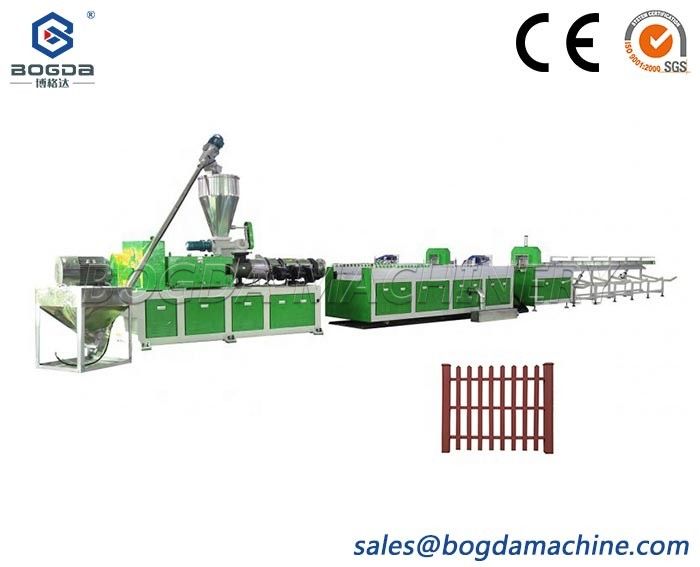
Tooling and downstream equipment deserve separate attention because they are frequently under-specified. A board line may need mixing, feeding, extrusion, forming, calibration, cooling, haul-off, cutting, stacking, and edge trimming. A quotation that covers only the extruder may appear inexpensive but may leave the buyer responsible for the equipment needed to produce saleable goods.
I calculate normalized landed cost by adding every expenditure required to place the line into production. The formula I use is: normalized landed cost = equipment price + tooling + auxiliaries + freight + duties + installation + utilities + commissioning + initial spares + training. I keep taxes and financing charges in separate lines so that supplier scope remains visible.
Site work must be stated in measurable terms. Examples include electrical cable length, transformer capacity, cooling tower or chiller requirements, compressed-air flow, ventilation, floor loading, foundation work, drainage, and material-handling equipment. If one supplier includes these items and another excludes them, the two quotations are not commercially comparable.
Commissioning terms also require precision. I ask whether the supplier provides factory acceptance testing, installation supervision, production trials, operator training, process recipes, and performance verification at the buyer’s site. A practical acceptance test should define output, dimensions, tolerances, surface requirements, operating hours, material formulation, and allowable scrap before the final payment milestone.
The total cost of ownership for extrusion equipment includes capital cost and all recurring costs over the planned operating period. I normally model a five- to ten-year period, depending on expected utilization and the company’s investment policy. The calculation should include energy, labor, maintenance, spare parts, tooling, consumables, scrap, downtime, software or control upgrades, service travel, and end-of-life value.
A simple annual ownership model is: annual operating cost = electricity + direct labor + maintenance + tooling + scrap + downtime + consumables + service contracts. I then add the annualized capital cost or financing payment and subtract the expected residual value. This produces a more useful comparison than the purchase price because it shows how the equipment performs under actual production conditions.
For example, a line with a purchase price of $300,000 may require $55,000 for installation, freight, tooling, and commissioning. If annual energy, maintenance, labor, scrap, and downtime total $180,000, the initial price represents only part of the investment decision. A supplier offering a $330,000 line with lower scrap, better automation, and stronger service may produce a lower five-year cost, but the assumptions must be documented rather than inferred.
Extrusion equipment operating and maintenance costs should be reviewed by component rather than as a single annual estimate. I request expected service intervals for screws, barrels, heaters, thermocouples, gearboxes, vacuum pumps, cutting blades, screens, bearings, filters, and cooling equipment. I also ask for the price, delivery time, and recommended stock level for critical spare parts.
Maintenance labor can vary according to access, diagnostic tools, lubrication requirements, control architecture, and the supplier’s documentation. A line that requires a specialist engineer for every major adjustment may create higher service costs than a comparable system with accessible components and clear maintenance procedures. The quotation should state whether preventive-maintenance schedules, electrical drawings, manuals, spare-part lists, and troubleshooting support are included.
Warranty terms need the same level of detail. BOGDA describes an 18-month machine warranty and reports spare parts from brands including Siemens, Schneider, Omron, and Delixi in its company information. I would still ask the supplier to define exclusions, response times, replacement procedures, travel costs, commissioning coverage, and whether warranty protection depends on using approved maintenance personnel.
An extrusion machinery energy efficiency comparison should use energy per kilogram of acceptable product rather than motor size alone. I compare installed electrical load, average operating load, heater duty cycle, cooling demand, dryer consumption, compressed-air use, vacuum power, and downstream equipment demand. The relevant measure is usually kilowatt-hours per kilogram of saleable product, because scrap and downtime increase energy consumed per accepted unit.
Production performance must include throughput, yield, start-up time, changeover time, and stable operating speed. A line producing 400 kg/h at 96% saleable yield may outperform a 500 kg/h line operating at 88% yield, depending on product value and labor cost. I also examine whether the equipment can maintain the required dimensions, density, surface finish, and temperature profile across the planned product range.
BOGDA presents equipment for sheets, boards, pipes, profiles, films, pelletizing, and recycling, with examples such as PVC sheet configurations covering 350 to 550 kg/h and selected PET sheet lines covering 200 to 1,000 kg/h. These figures are useful starting points, but I would require model-specific testing because output depends on material, thickness, width, cooling capacity, and downstream conditions.
A weighted scorecard helps me prevent the lowest price from dominating the decision. I assign a score from 0 to 5 for each category, multiply it by the category weight, and record the evidence supporting the score. The weighting should reflect the buyer’s priorities rather than a generic purchasing template.
| Evaluation category | Suggested weight | Evidence required |
|---|---|---|
| Technical fit and product capability | 25% | Drawings, specifications, test results, output assumptions |
| Normalized landed cost | 20% | Complete scope, logistics, installation, utilities, commissioning |
| Operating and maintenance cost | 15% | Energy data, service intervals, spare-parts schedule |
| Supplier risk and manufacturing capacity | 15% | References, factory audit, engineering resources, delivery plan |
| Service and commissioning support | 15% | Warranty, response time, training, engineer availability |
| Contractual protection | 10% | Acceptance test, payment milestones, remedies, documentation |
I use evidence-based scoring rather than assigning points from presentation quality. A supplier receives a high technical score only when the quotation identifies the product, material, output, tolerances, utilities, and test method. Missing data should be marked as an assumption or risk, not treated as confirmation.
New equipment normally provides the clearest specification, warranty, and configuration control, but it may require more capital and a longer manufacturing period. Used equipment can reduce the purchase price while introducing uncertainty around screw wear, gearbox condition, controls, documentation, remaining service life, and retrofit requirements. Refurbished equipment sits between these options, so the buyer must define what has been replaced, tested, recalibrated, or warranted.
I compare each option using payback period, annual cash flow, residual value, and sensitivity scenarios. The basic payback formula is payback period = net investment ÷ annual incremental cash flow. I then test changes in utilization, electricity price, scrap rate, selling price, maintenance cost, downtime, and resale value.
A new line may be preferable when production demand is stable, product specifications are strict, and downtime has a high financial impact. Used or refurbished equipment may be practical when the application is standardized, technical inspection is available, and the buyer can tolerate a shorter remaining life. The correct choice depends on cash flow and risk-adjusted output, not on equipment age alone.
My recommendation includes four elements: explicit assumptions, named risk owners, negotiation priorities, and approval thresholds. For each unresolved issue, I identify whether engineering, operations, finance, procurement, or the supplier must provide the next action. This prevents vague concerns from remaining in the purchase file without an owner.
Negotiation should focus first on items that affect lifecycle cost or production risk. These may include guaranteed output, acceptance-test conditions, spare-parts pricing, commissioning duration, training, warranty coverage, delivery milestones, payment retention, software access, and service response. A lower machine price is less valuable than a written commitment that protects production performance.
I approve a quotation only when the technical scope is complete, the landed cost is normalized, the operating model is documented, and the sensitivity analysis remains acceptable under conservative assumptions. If the preferred supplier has the highest score but also carries a specific delivery or service risk, I record a mitigation plan rather than hiding the risk inside the final recommendation.
Comparing Extrusion Equipment Quotations Beyond the Initial Purchase Price requires a structured review of technical fit, normalized landed cost, operating expenses, maintenance, energy efficiency, downtime, supplier support, and contractual protection. The lowest extrusion equipment quote is not automatically the best option if it excludes tooling, installation, commissioning, utilities, spare parts, or performance guarantees.
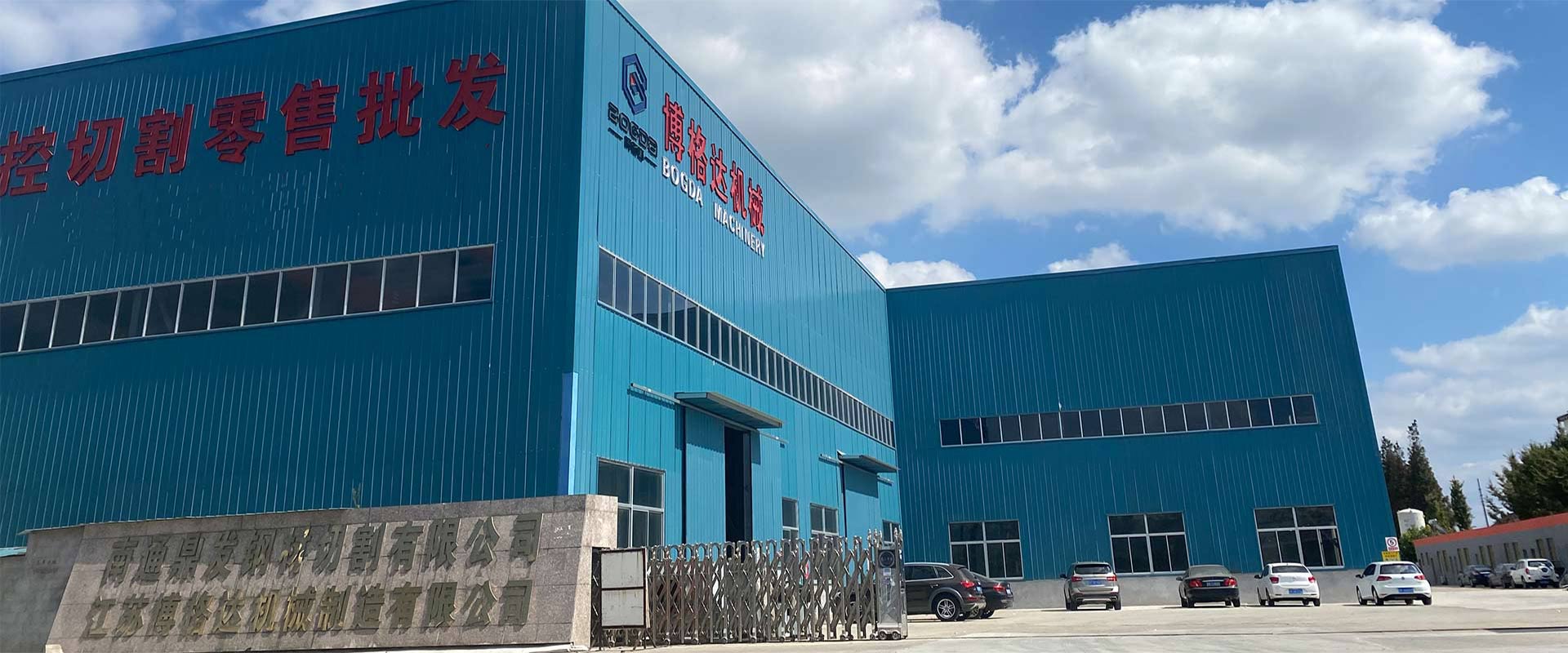
I recommend collecting equivalent quotations, building a scope-normalization table, calculating total cost of ownership for extrusion equipment, and scoring suppliers with weighted criteria. Buyers should then compare new, used, and refurbished alternatives using payback period, annual cash flow, residual value, and sensitivity cases. BOGDA is one example of an Extrusion Line Manufacturer offering complete lines for sheets, boards, pipes, profiles, films, pelletizing, and recycling, with published company information describing more than 600 lines produced annually, exports to more than 110 countries and regions, over 150 employees, and an 18-month machine warranty.
The final procurement decision should identify the selected configuration, total investment, expected output, operating assumptions, unresolved risks, responsible owners, and approval limits. That record gives management a decision-ready basis for choosing equipment according to lifecycle cost and production results rather than headline price alone.


Copyright © Bogda Machinery Group All Rights Reserved | Sitemap